
Can your branding attract the wrong clients?
More leads. Lovely. More of the wrong leads? That’s just more damn emails.
We see this all the time. A business wants more inquiries, but the people getting in touch aren’t quite right. The budget is off. They want something different. Or they’re shopping for a cheaper version of what the business actually does.
Sometimes the brand is setting an expectation the business can’t, or doesn’t want to, meet. Sometimes it’s trying so hard to welcome everyone that the people it really wants have no reason to feel at home.
The trouble with the wide net.
When a business needs more leads, narrowing its audience can feel like a very strange suggestion. Surely we should open things up?
So anything that might turn someone off gets softened. The personality comes down a little. The positioning becomes a little broader. Before long, the brand could belong to almost anyone. Including the competition.
That can bring in people who aren’t a fit. It can also make the right people scroll straight past. They don’t see anything that feels particularly for them.
This is fairly central to why we called the agency Anchovies. We believe in differentiation enough to name ourselves after a little fish that plenty of people would rather pick off their pizza. You don’t have to be for everyone. You do have to know who you’re trying to reach.
Does the price match the picture?
This comes up a lot with law firms. They have the experience, the testimonials, the awards, the standing in their industry. They know how good they are. Their brand hasn’t quite caught up.
Someone finding them for the first time doesn’t have all that context. The website and identity are helping that person decide what kind of firm this is, who it’s for and roughly what to expect.
If the service is expensive but the brand looks affordable, the inquiries may reflect that. Then every conversation starts with a little surprise about the fee.
The reverse happens too. You can accidentally look expensive when accessibility is part of the offer. Looking more premium isn’t automatically the right answer.
You need to understand the visual language your ideal customers recognize, including the other brands they spend time and money with. What feels considered to them? What feels accessible? What feels out of reach? There are plenty of variables, but the relationship deserves some thought.
Growing doesn’t mean everyone comes with you.
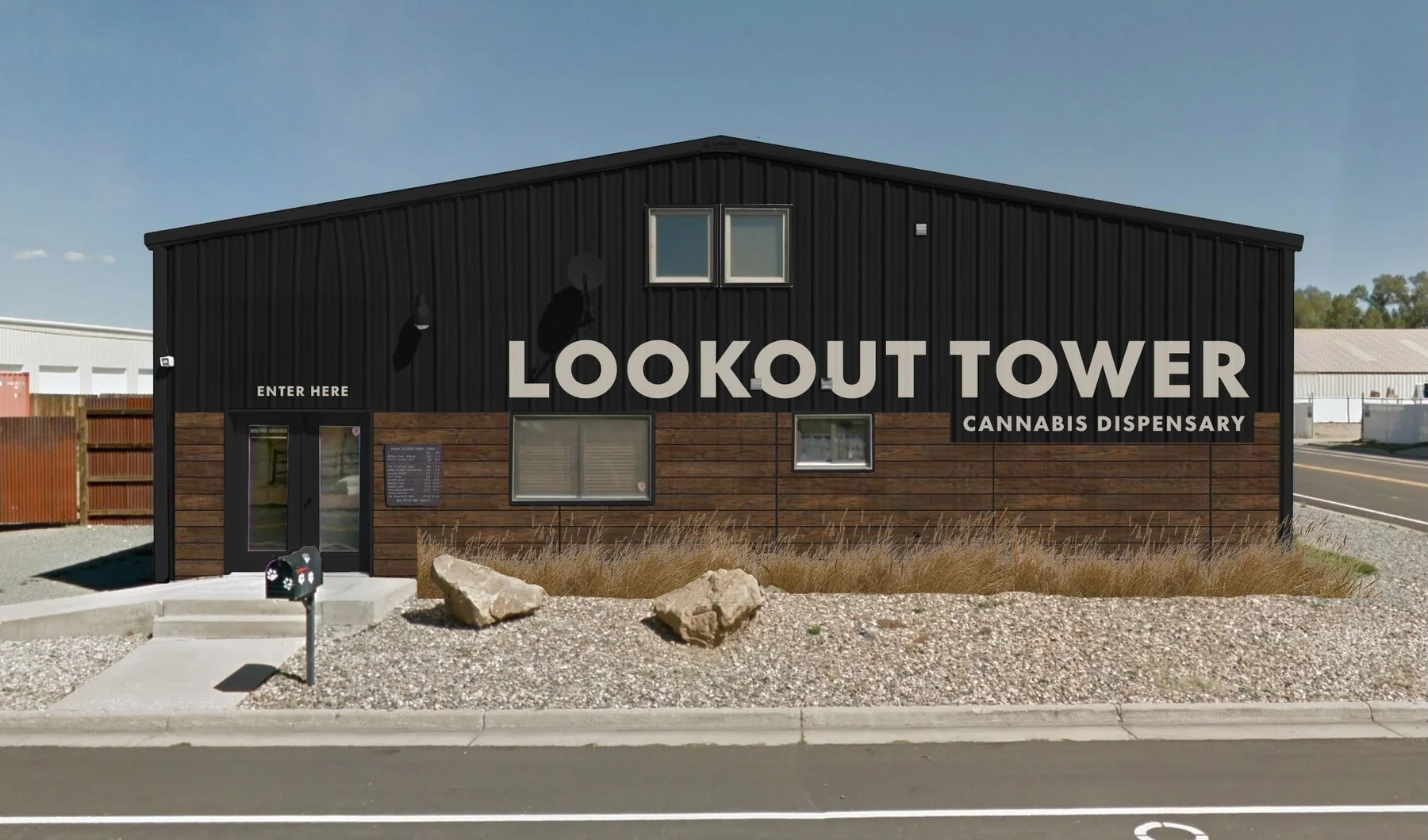
Lookout Tower is a dispensary in Gunnison, Colorado. A savvy entrepreneur had bought the business, there was serious competition nearby, and the plan was to take it somewhere new.
We reworked the brand and took on the interior too, from design through construction. We wanted to make the place more functional and more memorable. As a Colorado native, I felt pretty at home with the brief. We were proud of the result.
Then some longtime customers asked what had happened to the old brand. They liked what they’d had. The change made everyone a little nervous. Had we done the wrong thing?
That’s the uncomfortable part of growing a business. You may want to attract a new audience while keeping every person who liked the old version. You may not get both.
Those customers weren’t wrong for loving what they knew. Their reaction mattered. But a business making a deliberate change has to leave room for the possibility that some people won’t come along. You can’t have it all, even with very nice signage.
A very specific person in mind.
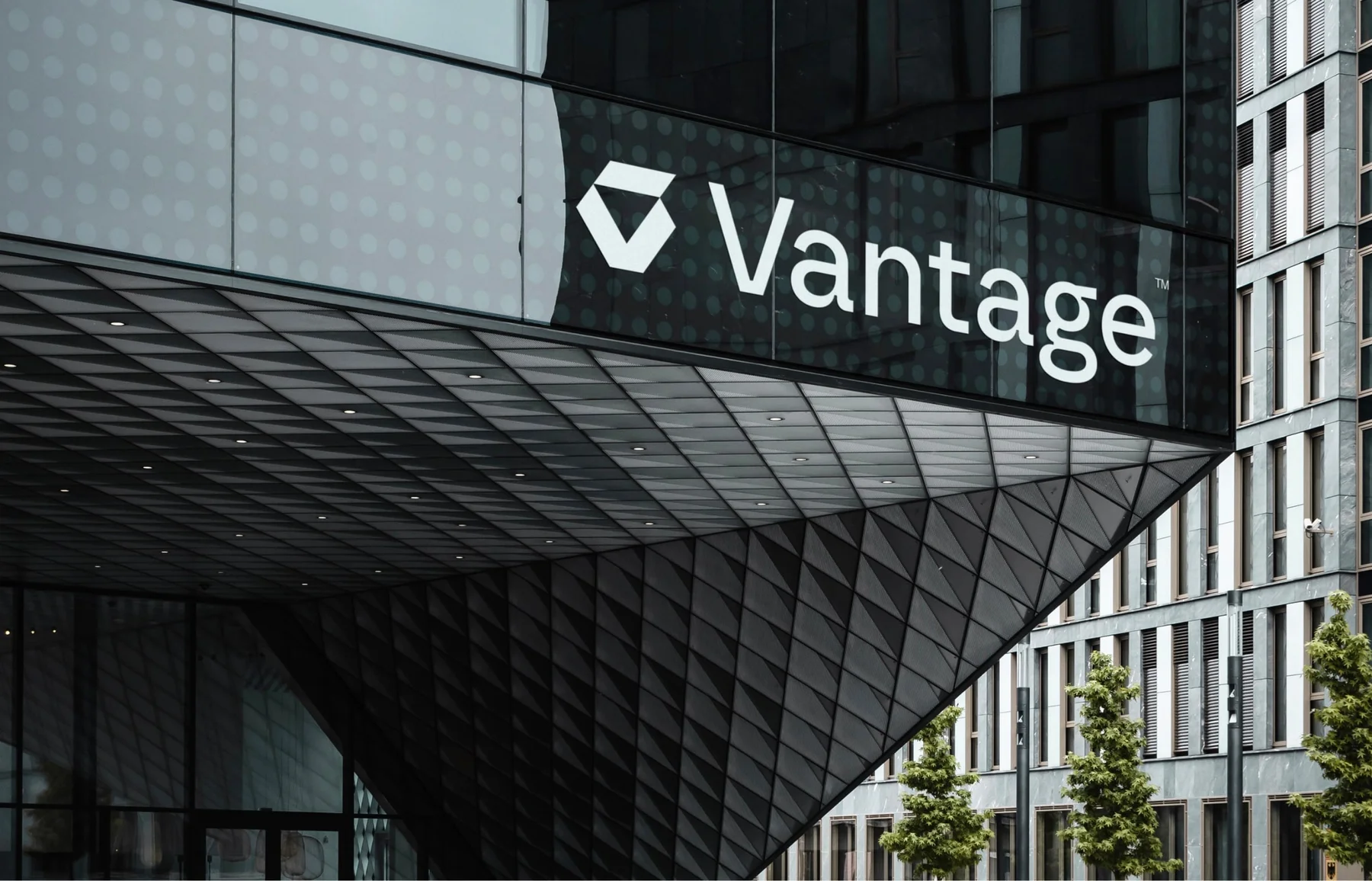
When we were working with Chris Gober on Vantage, before our later work together on Lex Politica, he gave us a particularly useful reference: he wanted a political law firm that would appeal to someone like Elon Musk.
That gave us much more to work with than “premium” or “sophisticated.” We could start imagining the world around that client, the kinds of businesses he knew, and the visual language that might feel relevant. It helped point us toward a sharper, more technology-minded direction.
These kinds of analogies are useful. They give everyone something concrete to picture, instead of hoping we all mean the same thing by an adjective.
About a month later, Chris called and told me Elon Musk was now a client. That was why he’d been so specific.
I wouldn’t claim a brand identity won him the account. Chris had to be the right lawyer. But he knew exactly the kind of person he wanted the firm to speak to, and we could design with that ambition in mind.
The work shown here is Vantage. A naming conflict later led to Lex Politica, another reminder that a name has quite a few jobs to do.
More of whom, exactly?
Before you ask your brand to bring in more people, get specific about the people you want. What are they looking for? What should they understand about you before they get in touch? What are you currently suggesting that sends the wrong signal?
That might mean catching the brand up with the quality of the business. It might mean making the offer feel more accessible. Or it might mean accepting that a clearer direction will be less appealing to some people.
You don’t need everyone to see themselves in your brand. You need the people you’re building it for to feel like you had them in mind.