
How can an architecture firm stand out when everyone has beautiful work?
Branding
Our own rebrand took about two years. We do this for a living.
I’m very happy with where we landed. But if I had to do it again, I’d seriously consider hiring another agency. Being a creative doesn’t automatically make you good at working on yourself.
Architects will probably recognize a few things here. You’re busy with client work. You have opinions. So does everyone else in the studio. And somehow, the brand and website are still waiting.
You might be able to build the website yourself. But when every firm has beautiful projects to show, what helps someone remember your studio and want to work with you?
Who are we trying to impress?
One thing we share as creatives: we can get a little caught up in impressing each other. We’re imagining how our peers will critique the brand or website, and we forget who’s actually hiring us.
Would another architect think this is clever? Would another designer approve? Meanwhile, the person considering hiring you is trying to understand whether you’re right for their project.
Start with that bit of empathy. What are they buying? What do they need to understand? Are we speaking in a language they’d actually use, or are we talking to other designers again?
The work deserves a stage.
The work deserves a stage. A big one. The tricky part is showing it in a way that feels intuitive. There are a million ways to build a portfolio, and a few small decisions can make it surprisingly hard to use.
When someone clicks an image, does it enlarge? Can they scroll through the rest? Can they get back to the project they were just looking at? Does any of that still work on a phone?
And remember, you’re probably one of a million tabs open. Take a look at your site alongside a few other firms. Is the experience memorable? Can someone tell which one was yours?
And if you’re an architect reading this, you know getting the images ready is a whole task in itself. There’s a workflow to figure out here, too: as projects are completed, how do you get them onto the website efficiently? Otherwise, the newest work has a habit of staying off the website.
The people deserve a stage, too.
As designers, we hate talking about ourselves. We hate interjecting personality. “It’s all about the work” can become a mantra. A flag to be flown. And then we wonder why so many studios feel a little cold.
The funny thing is, people are hiring the humans behind the work, too. Who will they spend all this time with? Will you listen? What do you care about?
That’s where the brand comes in. What are we making people feel? We can get so caught up in a restrained, brutalist mood that the warmth disappears. But there’s a relationship at the center of all this.
The work can have its big stage and still leave room for the people. Show a little of yourselves. Be willing to be a little vulnerable. Give someone a sense of who they’ll actually work with.
What will working together feel like?
First we listen. Then we work on it. Then we give it to you.
A surprising number of creative processes sound like that. Ours included, if we’re not careful.
Give someone a feel for the experience. How do you get to know the way they live? How will they be involved? What happens when they’re unsure about an idea? Maybe discovery starts over dinner. Maybe you walk the site together before opening a laptop.
Those are possibilities, not a process every studio needs to copy. The useful part is helping someone feel what working with you might be like. Especially when they’re trusting you with something this personal. We’re still working on this ourselves.
Two very different ways to feel like yourself.
For 206, we took inspiration from a door number. A little ornate. A little nostalgic. It felt right for a small-town studio working with Craftsman homes and older buildings. In a category that often feels cold, there was something useful in that warmth.
For LTBa, we explored a more angular, almost brutalist direction. If that’s where we’re going, let’s do it properly. But the identity still had to reflect a personal, thoughtful approach to architecture.
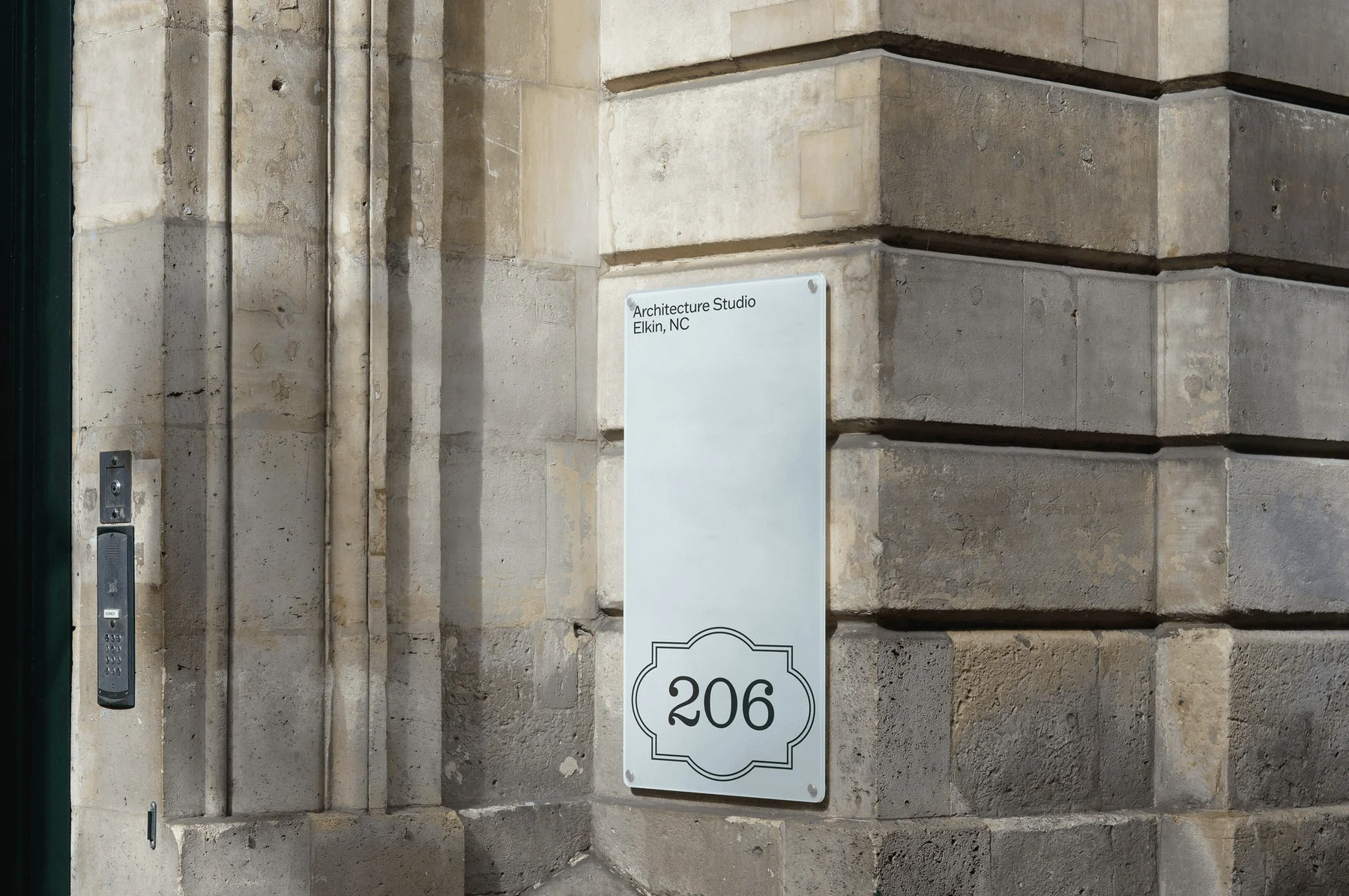
206 · A familiar welcome.
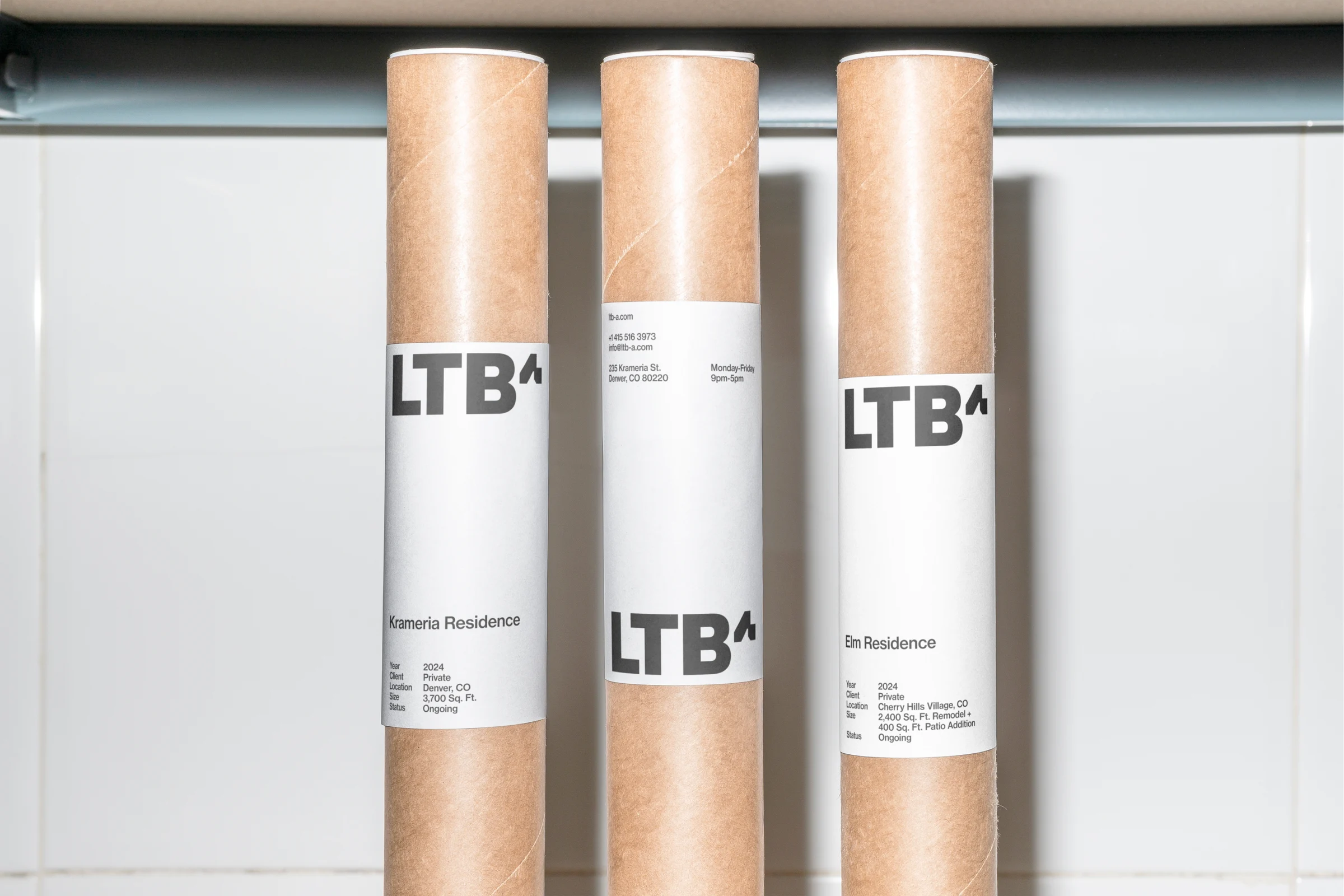
LTBa · A sharper introduction.
A little more hammer. A little less art object.
This is where branding starts to sound quite a lot like architecture. There’s taste and mood, of course. There’s also a problem to solve. The thing has to work.
LTB.a was a compact name with an awkward little question at the end: what do we do with the “a”? Removing it made the name more generic. Keeping the whole thing together didn’t give us much to use in a tiny social profile.
So we gave the “a” another job. It became an abstract house-like symbol: part of the name when it sits beside LTB, a recognizable mark when it stands alone.
The ‘a’ earns its place.
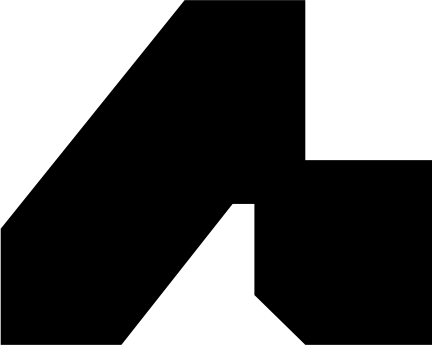
Keep the letter. Give it a job of its own.
In transparency, this direction went further than the client ultimately wanted to go. He chose to retain his existing identity. We still believe it was a good answer to a tricky problem, and you can see the proposed LTBa identity here.
That’s part of working on yourself, too. We can see the possibilities clearly for someone else and feel very differently when our own name is on the presentation. I know the feeling. We’ve written more about why a new brand can make you nervous.
“We’re busy” is a good time to think about it.
A full project calendar makes the brand and website very easy to postpone. We’ve done that, too.
But the time you notice inquiries slowing down is a difficult time to start from scratch. A new identity takes time. A website takes time. Getting the right people to discover it takes time as well.
And the creative bar keeps moving. Your next client is comparing you with what they can see now, even if your brand is still introducing the studio you were five years ago.
Give yourself the time to make something considered. A brand that expresses what’s distinctive about the practice, and a website that brings it to life through the work, the people, and the experience of working with you.
The work got them interested. Help them imagine working with you.